

Carcinogens—substances that increase cancer risk—are often obvious. Some with the most research backing their dangers are tobacco, radiation, and asbestos.
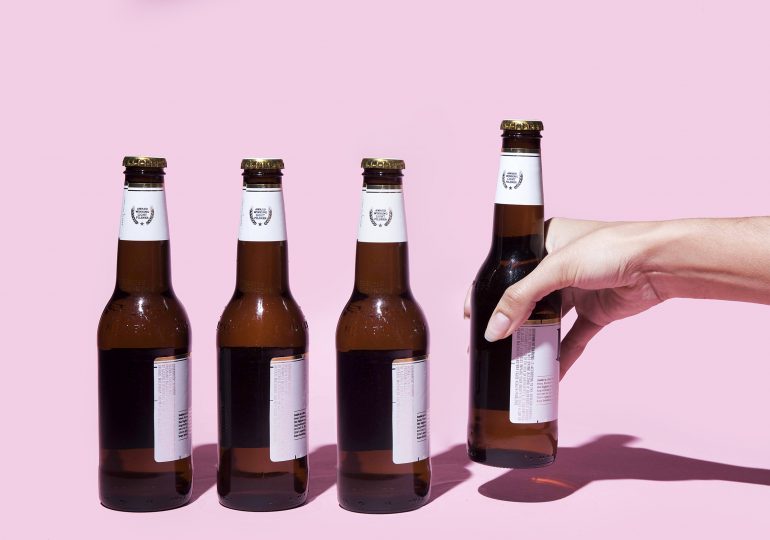
Also in that category? Alcohol.
That, to a lot of people, comes as a surprise. According to a 2025 report by the U.S. Surgeon General’s office, citing a 2019 study, less than half of Americans recognize alcohol as a carcinogen—compared to 91% for radiation and 89% for tobacco. A more recent 2025 study from JAMA Oncology found that nearly 53% of Americans do not know whether alcohol has any link to cancer at all.
[time-brightcove not-tgx=”true”]
It does. The U.S. Centers for Disease Control and Prevention (CDC) lists seven cancers whose incidence is known to be increased by alcohol: cancers of the mouth, throat, larynx, esophagus, liver, colon and rectum, and breast. Some studies also show a link to stomach, pancreatic, and prostate cancer.
“Using the very best data we have, comparing populations [of drinkers and non-drinkers], it appears that even very low levels of drinking—one drink a week—are associated with a measurable increase in risk over time,” says Dr. Ernest Hawk, head of prevention and population sciences at the MD Anderson Cancer Center in Houston. “When you’re talking about cancer [and alcohol], there’s no safe level of exposure.”
The increased wariness about alcohol from the scientific community is clashing with decreased caution from the federal government. Since the 1980s, federal dietary guidelines have urged Americans to limit their alcohol intake to no more than one drink a day for women and two for men. In January 2025, however, the U.S. Department of Agriculture and the U.S. Department of Health and Human Services issued new, far looser recommendations, saying that individuals should “consume less alcohol for better overall health.” The guidelines also said that pregnant women, people struggling with alcohol use disorder, and those taking medications or with medical conditions that could interact with alcohol should avoid drinking altogether. But it was the elimination of the previous recommendations that made headlines.
“The new dietary guidelines didn’t necessarily help with the specifics,” says Dr. Donald Hensrud, Associate Professor of Nutrition and Preventive Medicine at the Mayo Clinic in Rochester, Minn. “They say don’t indulge in alcohol, but they didn’t give any specific amount. So there’s kind of an open-ended question at this point.”
“Drinkers like a certain limit: ‘Drink moderately, and this is what moderate means,’” says Jennifer Hay, an attending psychologist in the department of psychiatry and behavioral sciences at Memorial Sloan Kettering Cancer Center in New York. “The [new] guidelines are valuable in telling people that less is best, but I definitely have concerns about vagueness.”
“It’s not [the recommendation] I would have made,” says Hawk.
Read More: Since Lung Cancer Is So Deadly, Why Don’t More People Get Screened?
Dr. Mehmet Oz, administrator of the Centers for Medicare & Medicaid Services, supported the new policy. “There is alcohol on the dietary guidelines, but the implication is, don’t have it for breakfast,” he said at a White House briefing. “In the best-case scenario, I don’t think you should drink alcohol, but it does allow people an excuse to bond and socialize, and there’s probably nothing healthier than having a good time with friends in a safe way.”
The government’s new approach notwithstanding, most research does sound a clear alert, establishing a convincing link between alcohol and cancer. The National Cancer Institute estimates that alcohol played a role in about 5%, or nearly 100,000, of the 1.8 million cancer cases diagnosed in the U.S. in 2019, and about 4%, or nearly 25,000, of the 600,000 deaths.
Those are worrying numbers, but not everyone agrees they’re reliable ones. Research into the alcohol-cancer link relies on observational studies—asking populations of people if they do or don’t drink, and then counting and comparing the number and type of cancers in both groups. That’s very different from randomized clinical trials.
“We don’t do studies where we ask people to smoke vs. not smoke and follow them for 50 years,” says Hawk. “It’s the same here, because alcohol is a toxin. We don’t tell folks, ‘Drink, and then let’s see what happens to your body.’”
The observational approach leaves a lot of room for confounding factors to sneak in and influence the results—variables that could have been eliminated in a clinical study. “People who drink do other things that may influence their lives in terms of exercise, smoking, diet, stress,” says Dr. Larry Norton, medical director of the Evelyn H. Lauder Breast Center at Memorial Sloan Kettering. Even if alcohol is involved in cancer, the link could be indirect, says Norton: “It could be the calories in alcohol; obesity is a known risk factor [for cancer]. Observational data is not all that reliable. At the extremes you get a clear message, but in more subtle cases, such as low to moderate alcohol consumption, you’re basically extrapolating.”
Researchers posit multiple mechanisms at work that can lead to disease. The first involves acetaldehyde, a toxic metabolite that is produced when the body breaks down alcohol. Acetaldehyde can damage DNA and proteins, which can lead to the uncontrolled cellular growth that defines cancer. “Acetaldehyde can induce mutations,” says Hawk, “much like tobacco can induce mutations.”
Alcohol can also lead to the creation of free radicals, reactive oxygen molecules that can damage DNA and proteins as well as fats. The reason so many healthy diets include antioxidant sources such as blueberries, raspberries, dark leafy greens, dark chocolate, and green tea is to battle free radicals. But consuming antioxidants is counterproductive if you’re also consuming a substance like alcohol that fuels free radical production.
“Alcohol generates these reactive oxygen species, which cause inflammation,” Hawk says. “Inflammation helps to heal wounds when it’s controlled, but chronic, low-grade levels of inflammation are damaging to many parts of the body.”
Read More: The Race to Measure Aging—And Why It Matters
Additionally, alcohol can elevate the level of hormones, particularly estrogen, by impairing the ability of the liver to break the hormone down. This leads to higher estrogen levels in the blood, which in turn increases the risk of breast cancer.
“Many tissues in a woman’s body are sensitive to estrogen, which increases cell proliferation,” says Hawk. The more aggressively cells are dividing, the likelier it is that there will be mutations or copying errors that lead to cancer.
“The increased risks of breast cancer start at very modest levels [of alcohol consumption],” says Hensrud, “less than a drink a day.”
Overall, women are thought to be more susceptible to the carcinogenic effect of alcohol than men, says Hensrud, due partly to their lower average body weight—meaning any amount of alcohol goes metabolically further—and partly to lower levels of gastric alcohol dehydrogenase, an enzyme in the stomach that initiates the digestion of alcohol. According to the Surgeon General’s report, the lifetime risk of developing any type of cancer goes from about 16% if a woman consumes less than one drink per week, to 19% if she has one drink daily, to nearly 22% for two drinks daily. For men, the figure is 10% for less than one drink a week, 11% for one drink daily, and 13% for two drinks daily.
Finally, for both men and women, alcohol interferes with the absorption of nutrients, especially vitamin B1, B12, folic acid, and zinc. “Interfering with things like folate can set tissues up for cancer,” says Hawk. At the same time, alcohol makes it easier for the cells in the mouth to absorb carcinogens, which is especially dangerous for people who both drink and smoke or use other tobacco products. One December 2025 study conducted in India and published in BMJ Global Health found that just one drink a day was linked with a 50% increase in the risk of oral cancer; combined with using chewing tobacco, that figure rose to 62%.
Read More: How to Die Young at a Very Old Age
Where this leaves people who drink is unclear. If the risk of oral cancer jumps with just a single drink a day and breast cancer risk climbs with even less than that, is there such a thing as a safe level of alcohol? Maybe not.
“Anything that causes inflammation is associated with some cancer effects,” says Norton. Alcohol surely checks that box—but just as there are gradations in the amount people drink, there may be, too, gradations in the dangers consumption poses.
“It’s dose-dependent,” says Norton. “For sure, people who drink a lot of alcohol—in the range of four or five or more drinks a day—have a lot of adverse health effects.” The data, he says, are less clear at the level of one drink a day. “There’s realistic scientific uncertainty in this regard.”
Hay still counsels caution. “Two drinks a day for men and one drink a day for women was the standard, but that already increases your cancer risk,” she says.
Eliminating the danger means eliminating alcohol—but even that may not be a perfect solution. A history of drinking may have done lasting damage that could still lead to cancer, in much the way a history of smoking does.
“There’s some decline in risk if you quit,” says Hensrud. “But there’s also a sort of memory there as well. So our total amount that we drink over our lifetime probably does make a difference.”
Still, as Hay puts it, less is likely best—with abstinence, if it’s achievable, optimal. “The risk is measurable,” says Hawk. “And it’s avoidable.”
Leave a comment