
HOW WOODSIDE’S BROWSE GAS PROPOSAL THREATENS SCOTT REEF’S GREEN TURTLES AND PYGMY BLUE WHALES
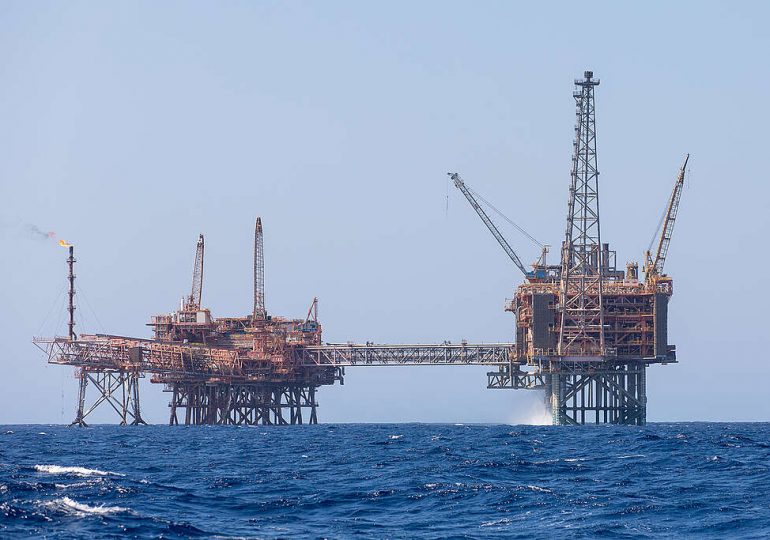
Woodside’s North Rankin Complex offshore rig. © Greenpeace
Woodside’s Browse to NWS gas project is under assessment by the WA and Federal Governments right now. This is a project that involved drilling up to 50 gas wells around Scott Reef off the coast of WA. Gas would be extracted directly underneath Scott Reef and Sandy Islet and pumped through a 900-kilometre subsea pipeline to the NWS gas processing facility.
Woodside’s Browse gas project’s impact on Scott Reef’s marine habitats?
Scott Reef is one of Australia’s most ecologically significant marine environments, where green turtles breed, pygmy blue whales feed, and an array of at-risk species, including sharks, dolphins, whale sharks, rays, sawfish and sea snakes thrive. It is home to many threatened species, including some found nowhere else on Earth or in genetically isolated groups, magnifying its importance from a conservation perspective.
Scott and Seringapatam Reefs, far off the Western Australia Coastline. Woodside Energy has its eyes set on turning this marine sanctuary into a gas field. © Alex Westover / Greenpeace
This delicate reef’s ecosystem faces multiple threats if Woodside’s Proposed Project goes ahead, including seismic blasting, gas flaring, noise pollution, artificial lighting, pipe laying and fast-moving vessels. The reef also faces the risk of a gas well blowout, which could have catastrophic and irreversible consequences for the region’s reefs and marine parks.
Greenpeace Australia Pacific has revealed the first images of fossil fuel company Woodside dredging to lay a pipeline for its Burrup Hub gas project. © Greenpeace / Alex Westover
Woodside’s woeful marine impacts management plan
To secure their approvals, Woodside had to develop a plan for how they would manage the significant risks to threatened green turtles and endangered pygmy blue whales if the project proceeds. We’ve had two independent scientists provide a technical assessment of Woodsides management plan for whales and turtles and their findings are gobsmacking.
Their assessment found that Woodsides management plans for these species misrepresents or does not assess the risks the Browse project poses to Scott Reef’s pygmy blue whales and green turtles. They’ve also surmised that if the project goes ahead the impacts contradict the Australian government’s own recovery plan for turtles and Conservation Management Plan (CMP) for Blue Whales.
The State and Federal Governments now have the opportunity to define their legacies on nature protection and save Scott Reef from Woodside’s dirty gas.
Technical Assessment of Woodside’s Browse Pygmy Blue Whale Management Plan
Prepared for Greenpeace Australia Pacific by Dr Ben Fitzpatrick of Oceanwise Australia with Dr Olaf Meynecke of Griffith University.
The full technical assessment is available HERE
A pygmy blue whale breaks the surface in the waters. © Paul Hilton / Greenpeace
Scott Reef is a vital feeding, foraging and resting habitat for pygmy blue whales.
Pygmy blue whales feed, forage and rest in the Scott Reef region every year. Scott Reef is recognised as a Biologically Important Area for the pygmy blue whale and is an important stop-over on their annual migration.
Woodside’s Browse gas project could delay or prevent the population recovery of the endangered pygmy blue whales that rely on Scott Reef, heightening their extinction risk.
Woodside’s management plan claims of “no credible threat of significant impacts” are not supported by scientific evidence.
The management plan relies on outdated whale population information.
Woodside has claimed it is unclear whether Scott Reef is a foraging habitat for pygmy blue whales, despite the presence of pygmy blue whales and significant concentrations of krill being documented in the area.
The PBWMP ignores the impacts of industrial noise on whale-to-whale communication. This is especially concerning as mother-calf pairs migrate through the Scott Reef Biologically Important Area shortly after calves are born. Mother-calf pairs rely on continuous, uninterrupted communications to maintain their connection.
Woodside’s Browse gas project could delay or prevent the population recovery of the endangered pygmy blue whales that rely on Scott Reef, heightening their extinction risk.
Technical Assessment of Woodside’s Browse Turtle Management Plan
Prepared for Greenpeace Australia Pacific by Dr Ben Fitzpatrick of Oceanwise Australia.
The full technical assessment is available HERE
Mating Green Turtles. © Wendy Mitchell / Greenpeace
Scott Reef is a vital nesting ground for unique green turtles.
The green turtles that nest at Scott Reef’s low-lying Sandy Islet sand cay and nearby Browse Island are genetically unique and are classified as ‘Extremely Vulnerable’ in Australia’s Recovery Plan for Marine Turtles.
Woodside’s Browse gas project could make Scott Reef’s unique green turtles extinct.
The Browse project would operate within 20 kilometres of nesting habitat that’s critical to the survival of Scott Reef’s genetically unique and vulnerable green turtle population.
Woodside’s Browse Turtle Management Plan (TMP) misrepresents the risks the Browse project poses to Scott Reef’s green turtles.
Claims in Woodside’s TMP about Scott Reef’s green turtle population size, nesting success and hatchling numbers are not backed by scientific evidence.
The TMP proposes gathering updated data after the Browse project is approved.
Woodside’s TMP proposes adding sand sourced elsewhere to Sandy Islet to counter subsidence and erosion, but fails to properly assess the associated risks.
To save Scott Reef and protect our oceans and animals, the State and Federal Governments must reject Browse.
Leave a comment